Spring by LA’ FORTE

Copper, Refined.

Premium copper hydration systems — designed for personal routine, table ritual, and family storage.

Interior Surface Tested at 97.6% Copper Purity
Pure copper inside Outer coating for longevity Bottles • Carafes • Dispensers
Spring by LA’ FORTE copper hydration collection
Test-backed purity
Interior surface tested at 97.6% copper purity.
Coating only outside
Exterior finish enhances look, life and longevity.
Designed to live with you
Personal, table and family hydration solutions.

Why Copper Water?

Storing water in copper vessels is a long-followed Indian tradition often referred to as Tamra Jal. Copper is also widely known for antimicrobial behavior on surfaces. Our approach keeps the ritual authentic — while elevating the design for modern homes.

A daily ritual

Hydration that feels intentional, not accidental.

Quiet luxury

Premium finishes that look at home anywhere.

Built for longevity

Protective outer coatings; pure copper inside.

Note: This content is informational and tradition-focused. If you have a medical condition or copper sensitivity, consult a professional.

How to Use & Care (Simple + Safe)

1
Fill & store
Store water for 6–8 hours (common traditional practice).
2
Avoid acidic liquids
No lemon, vinegar, or citrus mixes inside copper.
3
Weekly clean
Lemon + salt, rinse well, dry completely. Avoid dishwasher.
4
Patina is normal
Copper oxidizes naturally; regular cleaning prevents buildup.
Copper bottles banner

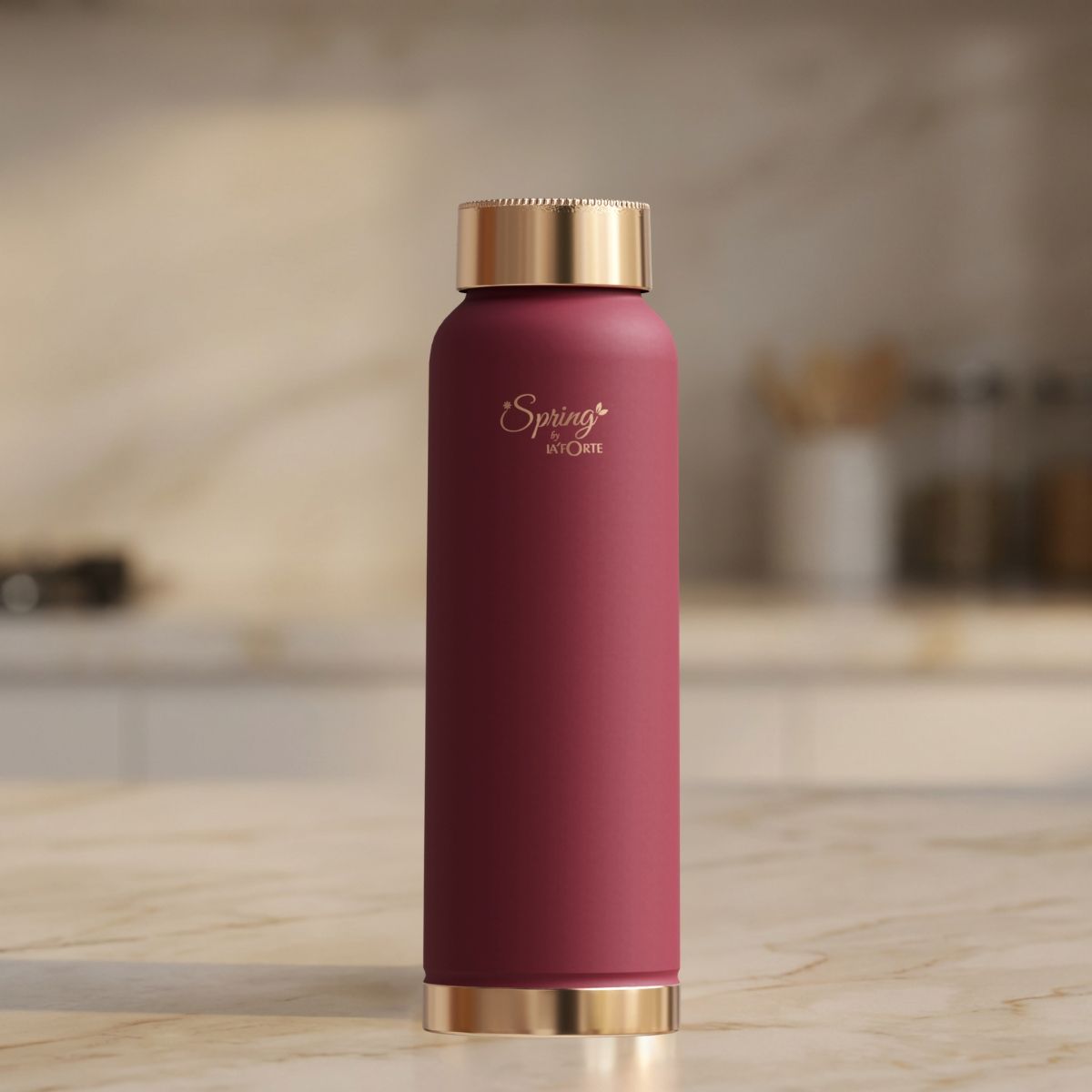
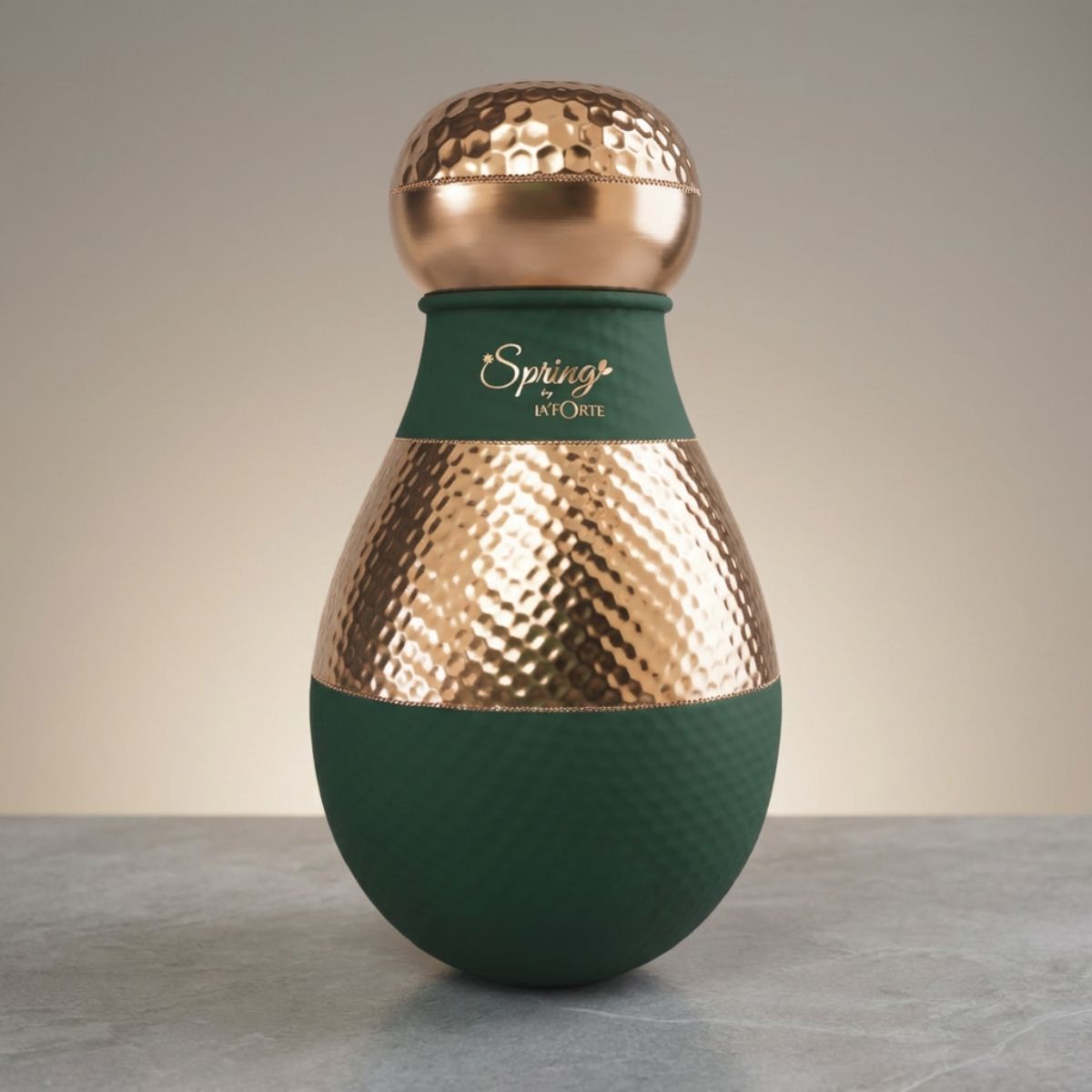
Copper Bottles

Silk Smooth • Hammered • Royal Meena Finish-Coated Designs

The exterior coating is applied to enhance look, life and longevity. The inside remains copper for authentic copper-water storage.

Copper carafes banner

Copper Carafes

Hammered • Silk Smooth Coated • Royal Meena Finish Variants

Table hydration, elevated — perfect for bedside rituals, dining setups and premium gifting.

Copper dispensers banner

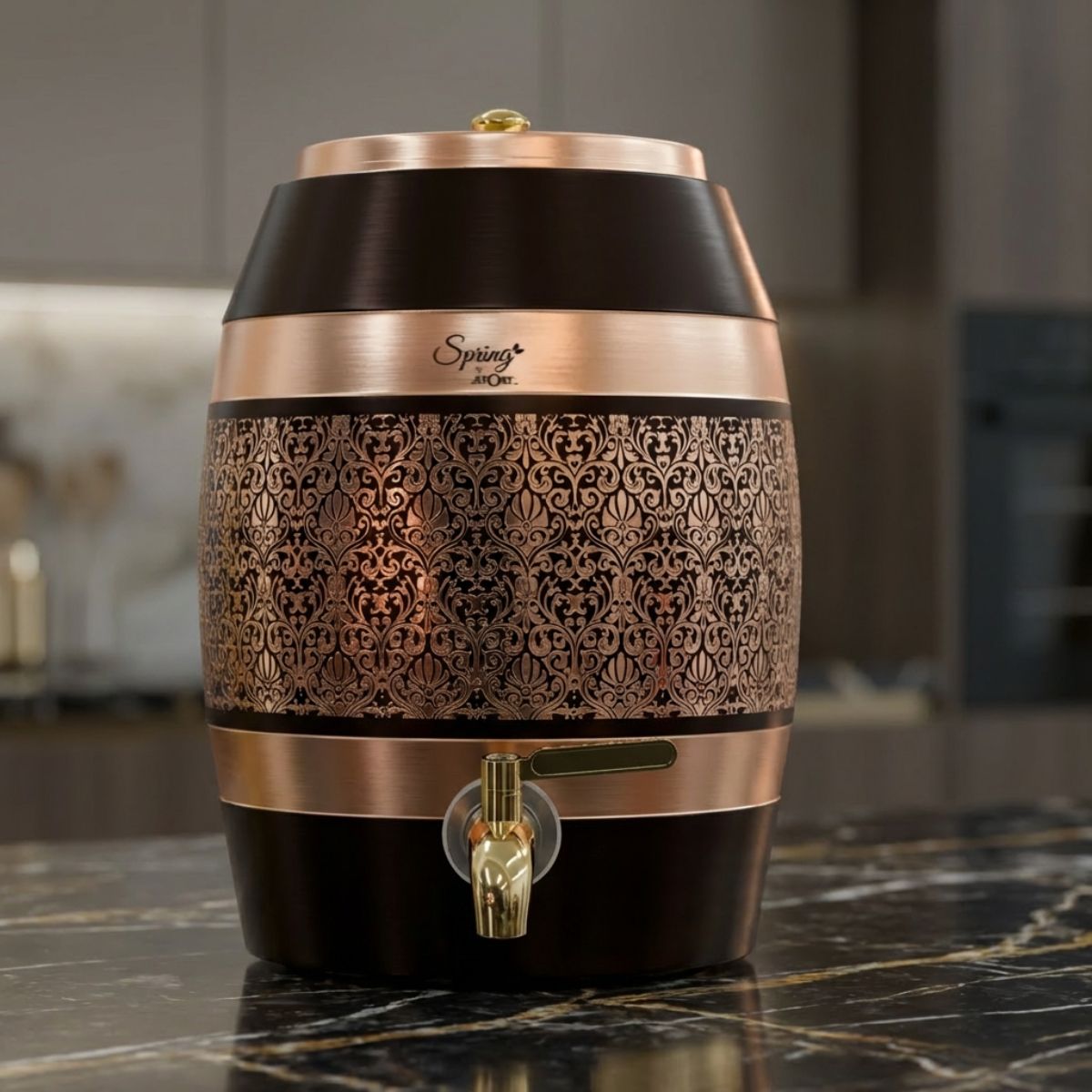
Copper Dispensers

Double Wall • Royal Meena Finish Variants

Family hydration made premium — larger capacity copper storage designed for modern homes and long-term daily use.

FAQs

Our bottles have been tested for interior copper composition, reporting approximately 97.6% copper purity on the inside surface. This indicates that the surface in contact with water is predominantly copper. Small percentages of other elements are common in copper materials used for structural stability.
Commercial copper products rarely measure exactly 100% pure due to trace elements that improve durability and strength. A purity level like 97–99% is commonly considered high-grade copper for consumer products.
When water is stored in a copper vessel, minute ionic interaction may occur between the copper surface and the water over time. This depends on storage duration, water composition, and the vessel’s surface condition. Moderate storage (typically 6–8 hours) is traditionally practiced.
Copper is widely documented for antimicrobial surface properties, meaning certain microbes do not survive long on copper surfaces compared to some other materials. Traditional Ayurvedic texts also reference storing water in copper vessels. This should not be considered medical treatment.
Copper-stored water has been traditionally consumed daily in many Indian households. Moderation is key. If you have a medical condition related to copper metabolism or copper sensitivity, consult a healthcare professional.
Copper may impart a mild metallic taste, especially if water is stored for longer durations. This can vary based on water mineral content, storage duration, and cleaning frequency. Regular cleaning and moderate storage time reduce taste variation.
Copper naturally oxidizes when exposed to air and moisture. This is a normal chemical reaction and does not indicate a defect. Routine cleaning helps maintain the surface brightness.
No. The coating is applied only on the outer surface to enhance durability, design, and longevity. The interior remains copper for authentic copper-water storage.
Refrigeration is not necessary and not traditionally recommended for copper-stored water. Sudden temperature changes can increase condensation and oxidation. Room-temperature storage is preferred.
Copper bottles are primarily designed for room-temperature water storage. Storing very hot liquids may alter oxidation behavior and is not recommended unless explicitly stated for the product.
Hammering mainly affects aesthetics and grip. It does not significantly change the basic copper-water interaction compared to flat copper surfaces.
Patina is the natural greenish layer that can form due to oxidation when copper reacts with moisture and environmental factors. It’s a natural process, but regular cleaning prevents buildup before use.
Copper-stored water has traditionally been used across age groups. Maintain moderation and proper hygiene, and consult a professional if you have specific concerns.
We recommend cleaning at least once a week using lemon + salt. If used daily, more frequent cleaning may help maintain shine and freshness.
Copper surfaces are known for antimicrobial properties, but water hygiene still depends on storage conditions. Refilling with fresh water daily is recommended.